

Get Rid of Your Loose Change
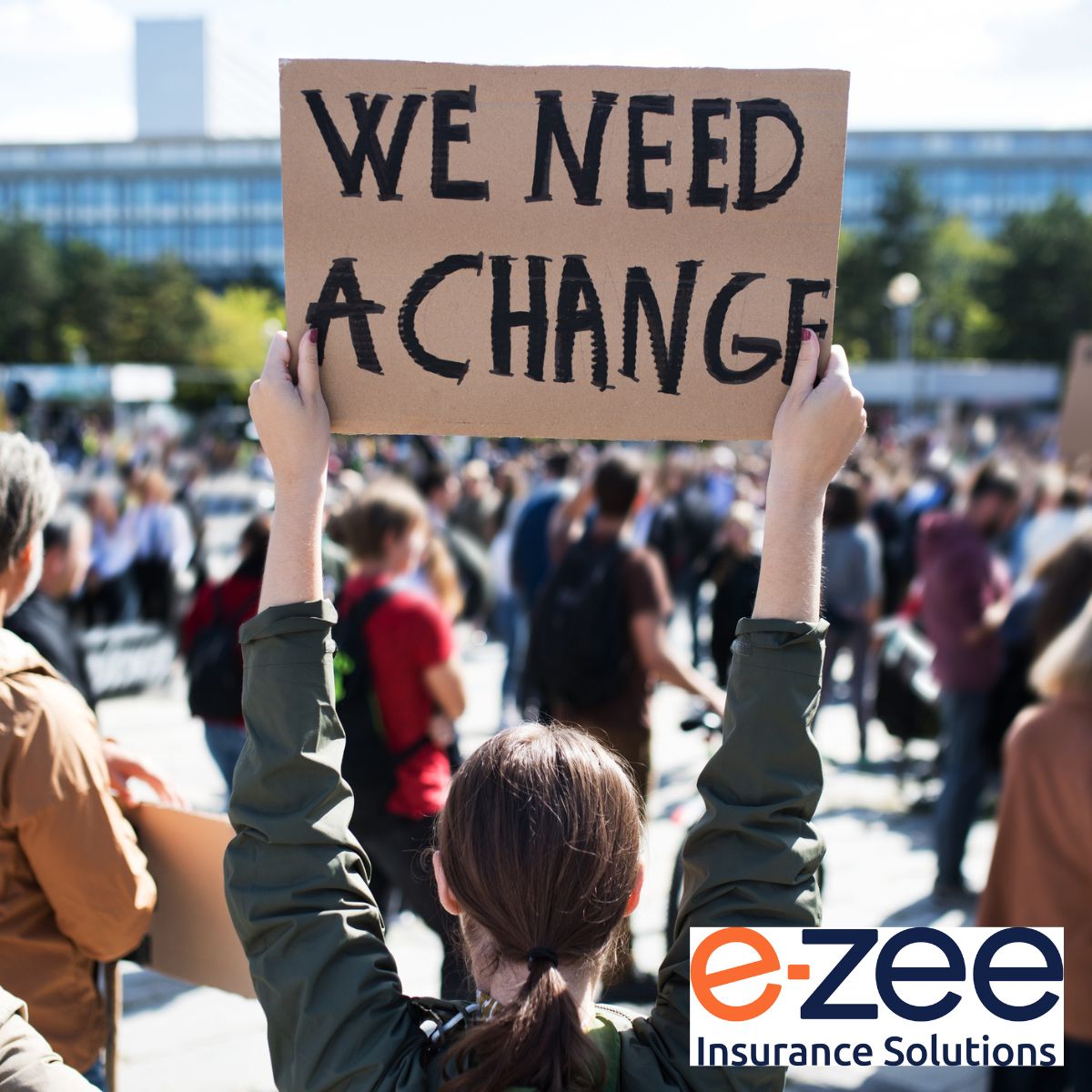
We are a society is obsessed with change. From politicians to broadband suppliers, it will all apparently be better if we just change.
If you’re in the market to partner with a consultancy then it’s because you believe that you need to make an important change. But how? And more importantly why?
Read on to find out how e-Zee it is to look before you leap.
We live - and of course work - in a society that is overwhelmed with opinions. Media outlets rely on ‘rage baiting’ to foster engagement with their content and we’re not just talking about the tabloids.
It’s starting to feel like the answer to being dissatisfied with anything is to demand wholesale change.
😠 Not happy with the cost of cheese? Get rid of the Prime Minister.
😠Team didn’t win last Saturday? Sack the manager.
😠 Not hitting your growth targets? Change the operation, the system, the people! Just change it!
OK so we’re being provocative (not rage baiting of course). But it’s not so amusing when you spend your hard-earned profits on something that simply doesn’t deliver a return on investment or worse, causes harm.
The same thought processes are at play whether you’re fed up with who’s feeding Larry the Cat, or you’re not achieving the business results that you promised the board you could deliver.
Our need for change is driven by common goals:
✔️ Growth ✔️Clarity ✔️ A Better Life ✔️Survival.
But are we overdoing it?
Change in Perspective
If you’re talking to the right consultancy partner the first thing they will want to understand is why.
e-Zee is obsessed with change management because everything we do to help insurance firms has one common denominator - it results in a change.
⚙️System Selection
⚙️Supplier Management
⚙️Project and Implementation Management
⚙️Digital Insurance Products
⚙️Testing
⚙️System use and optimisation
⚙️Training
You might have been presented with a business case for a different administration platform – and ultimately that might be the right change. But what if all you need is advice on optimising your current system and some focused training?
Getting an external perspective can often be the difference between success and failure.
The Human Cost
Probably the most powerful case for partnering with the right expert is the damaging fallout from the disconnect between expectation and reality if you get it wrong.
In January 2026 a Censuswide study commissioned by Investors in People revealed that 25% of UK employees had considered leaving their job due to the relentless pace of change in the workplace. *
Sadly, the ramifications of that flow down through your organisation and land at the feet of your most valuable asset – your people. It causes distress and mental health issues leading to expensive staff turnover.
That disconnect is often most apparent at the point of no return - the training room. The money has been invested, and the change is being rolled out. Disengaged delegates are a sure sign of a deeper issue connected with the change itself.
So, it’s interesting that the study also revealed that 65% of HR professionals recognised increased workload as a key employee concern, but other worries were less accurately reflected, suggesting HR may be underestimating the emotional toll of change.
For example, 44% of respondents cited rising workloads and mounting pressure, 27% feared that change would make their job harder and 27% blamed poor or confusing communication.
Change for Good
So how do you define the change and the rationale, manage the project, maintain the bridge between expectation and reality (communicate), control costs, and run your existing business?
🚫Firstly, don’t attempt to implement any form of organisational change ‘off the side of the desk’. It’s not fair on the owner of the desk!
👍Secondly, advocacy is a great guide. Exploit the power of the insurance network to point you towards recommended experts.
If you need any help with that second one, you can contact us here. We’ll let you know if we can help or recommend resources that you can explore.
And finally, don’t lose perspective. Change, whether big or small, will always affect your people. It’s only fair that they come prepared.
*Source: InvestorsInPeople.com